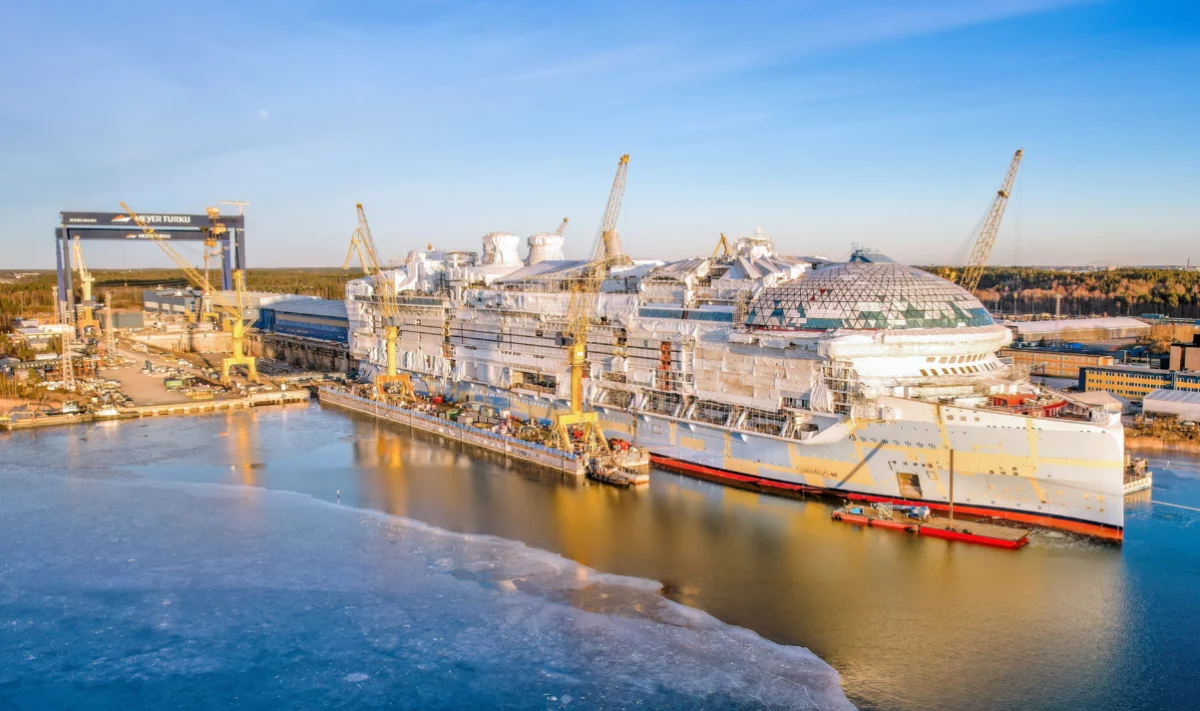
The launch of Icon of the Seas sparked global interest not only for its size and features but also for the staggering figures tied to its construction. Estimating the icon of the seas cost to build offers insight into modern shipbuilding, economic influence, and how cruise lines allocate resources for next‑generation vessels.
In this article, we break down the financial picture behind this remarkable ship, looking at design elements, cost drivers, comparisons with other cruise liners, and the broader implications for the tourism and maritime sectors.
Background of Icon of the Seas
What Is Icon of the Seas?
Built for Royal Caribbean International, Icon of the Seas entered service as one of the largest and most advanced cruise ships in the world. Designed to accommodate thousands of passengers and crew, the vessel combines cutting‑edge engineering with a long list of onboard amenities. From aquatic attractions to diverse dining zones, it represents a new era in floating resorts.
The decision to build Icon of the Seas reflected Royal Caribbean’s ambition to push boundaries in capacity, sustainability, and passenger experience. Construction began in earnest at the Meyer Turku shipyard in Finland, where precision, innovation, and logistics converged to transform concept into reality.
A Brief Look at Its Purpose
Cruise ships like Icon of the Seas serve dual roles: transportation and comprehensive tourism hubs. Their designs aim to appeal to global travellers, especially from major markets like the United States and Europe. The vessel’s size and features are crafted to maximise comfort while generating revenue through onboard activities.
Understanding the Cost of Construction
How Much Did It Actually Cost?
While exact numbers may vary depending on reporting, estimates for the icon of the seas cost to build generally range between $1.2 billion and $1.5 billion USD. This places Icon of the Seas among the most expensive cruise ships ever constructed, on par with or slightly above costs for other recent megaships.
It’s important to note that reported figures can differ based on exchange rates, shipyard contracts, and additional expenses such as custom fittings and advanced technology.
Factors Driving the Cost
Several major components influence the final build cost of a cruise liner:
1. Size and Scale
Icon of the Seas is unusually large by modern standards, necessitating more raw materials, labour hours, and specialised equipment than smaller vessels.
2. Advanced Engineering
Innovations in propulsion systems, fuel efficiency, and onboard safety contribute significantly to construction costs. Modern cruise ships prioritise sustainability, which can require higher‑cost components.
3. Onboard Features
The variety and complexity of entertainment zones, restaurants, cabins, and leisure facilities add to overall expenditure. Every pool deck, theatre, and specialty restaurant increases budgeting needs.
4. Labour and Manufacturing
Shipbuilders in Europe, especially at world‑class shipyards like Meyer Turku, charge premium rates for skilled labour. Compliance with international maritime standards further adds to labour and certification costs.
5. Materials and Supply Chain
Steel, electronics, luxury finishes, and mechanical systems all carry varying costs. Supply chain challenges or demand spikes for certain components can affect final ship costs.
Comparison with Other Cruise Ships
To put the icon of the seas cost to build in perspective, it helps to compare it with similar vessels:
-
Wonder of the Seas (Royal Caribbean): Estimated build cost was around $1.1–$1.3 billion USD.
-
Harmony of the Seas (Royal Caribbean): Reported build cost approximately $1 billion USD.
-
Disney Wish (Disney Cruise Line): Estimates near $1.8 billion USD, influenced by brand‑specific design elements.
Though these figures vary, what stands out is how Icon of the Seas aligns with other modern megaships in terms of investment level. Different lines prioritise unique design goals, which can scale costs up or down.
Impact and Significance
Economic Influence
The decision to build a vessel like Icon of the Seas has ripple effects across multiple sectors. Shipyards benefit from long‑term contracts, while suppliers and specialised manufacturers see increased demand. Once operational, the ship contributes to local economies through port visits, crew employment, and tourism spending in destinations served.
In many cases, homeports chosen for such ships invest in infrastructure improvements, anticipating increased passenger flows and cruise‐related business.
Industry Innovation
Large‑scale projects like this also push innovation in maritime engineering. Whether it’s in energy‑efficient engines or improved waste management systems, investment in new ships often leads to technological advancements that benefit the broader industry.
Passenger Experience
From a travel perspective, the investment reflected in the icon of the seas cost to build translates to onboard experiences. Passengers encounter expanded entertainment options, modern entertainment venues, and refreshed designs that differentiate the vessel from older fleets.
Conclusion
The Icon of the Seas stands as a testament to modern cruise ship construction and the substantial investment required to build at such a scale. With estimates situating the icon of the seas cost to build at well over $1 billion USD, it embodies a blend of engineering complexity, luxury offerings, and economic potential.
Understanding the cost behind such a creation not only informs passengers and travel enthusiasts but also highlights the financial and industrial efforts that drive the cruise sector forward. Whether viewed from a tourism, engineering, or economic lens, the investment in Icon of the Seas marks a significant chapter in maritime history and global travel innovation.