- 0
- 701 words
Modern economies are not built by a single sector. Instead, they resemble a mosaic where many industries fit together to create a functioning system. From manufacturing and retail to digital services and emerging technologies, each sector represents a slice of the economy that contributes to overall national growth.
Both the United Kingdom and the United States offer strong examples of this interconnected structure. Their economic landscapes show how traditional industries and modern digital sectors work side by side. Understanding how these pieces interact provides insight into how businesses evolve, how jobs are created, and how innovation shapes future prosperity.
The Role of Traditional Industries
For decades, industries such as manufacturing, construction, agriculture, and retail have formed the backbone of economic activity in both the UK and the US. These sectors produce essential goods, support supply chains, and provide employment for millions of people.
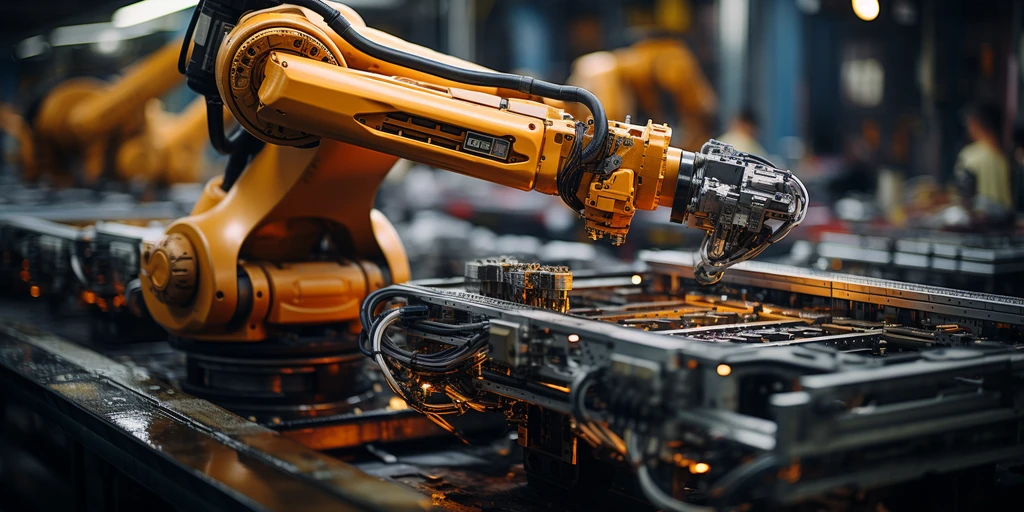
Manufacturing, for instance, continues to influence economic performance despite global changes. In the US, advanced manufacturing technologies have helped modernise factories and increase efficiency. In the UK, manufacturing remains a major export driver, particularly in sectors like automotive engineering and aerospace.
Retail also plays an essential role. High street shops in Britain and large retail chains in America generate consistent consumer activity. This spending circulates through the economy, supporting transport, logistics, marketing, and local suppliers.
Each of these industries represents a measurable portion of national output. Together, they demonstrate how diverse sectors collectively form a balanced economic structure.
The Rise of Digital Services
While traditional industries remain important, digital services have rapidly become one of the fastest-growing contributors to economic growth.
Technology companies, software developers, digital marketing agencies, and online platforms are now central to modern commerce. Businesses increasingly rely on digital tools for communication, marketing, data analysis, and global trade.
In the UK, the digital economy has expanded significantly in cities like London, Manchester, and Birmingham. Meanwhile, the US technology sector continues to influence global markets through innovation, investment, and entrepreneurship.
Digital services not only create new jobs but also help existing industries become more efficient. For example, manufacturers use automation software, retailers rely on e-commerce platforms, and financial services operate through secure digital systems.
As a result, the digital sector is no longer separate from the wider economy—it strengthens every other industry connected to it.
Innovation and Entrepreneurship
Innovation is another key factor shaping economic development. New ideas often lead to new businesses, which introduce fresh competition and expand market opportunities.
Start-ups and small enterprises play a particularly important role in both the UK and US economies. Many begin by solving a specific problem or improving an existing service. Over time, successful companies grow, hire employees, and contribute to national productivity.
Government support, investment networks, and technology hubs also encourage entrepreneurship. Research institutions and universities often collaborate with businesses to develop new products and services.
This environment allows industries to adapt to changing consumer behaviour. As markets evolve, innovative companies help maintain economic momentum and open new pathways for growth.
How Industries Work Together
One of the most important aspects of economic development is the way industries support each other. Few sectors operate independently. Instead, they depend on networks of suppliers, service providers, and digital infrastructure.
For example, a manufacturing company might rely on software developers for automation tools, logistics companies for transportation, marketing agencies for brand promotion, and financial institutions for funding.
This interconnected structure means that growth in one sector often stimulates growth in another. When digital services improve productivity, manufacturing output can rise. When retail expands online, logistics and delivery services grow alongside it.
Understanding this relationship highlights why economic stability depends on maintaining a healthy balance across industries.
Conclusion
The economies of the United Kingdom and the United States are shaped by a wide range of industries working together. Traditional sectors continue to provide stability, while digital services and innovation introduce new opportunities for expansion.
Each industry contributes a unique role, forming its own slice within the broader economic system. When these sectors collaborate effectively, they create stronger markets, encourage entrepreneurship, and support long-term development.
By recognising the interconnected nature of modern industries, businesses and policymakers alike can better understand how economic growth takes shape—and how future opportunities may emerge.
Author

muhammadnomanseo.guestposting@gmail.com
Related Posts

Why Gas Prices Keep Rising
- 0
- 808 words
Fuel prices are something most drivers watch closely. Whether you are filling up your car in the UK or the US, a...
Read out all
Supporting Young Entrepreneurs: Why Youth Innovation Matters
- 0
- 768 words
Ignition Paths: Why Supporting Young Entrepreneurs Matters Young entrepreneurs bring new ideas, fresh perspectives, and the energy to challenge outdated ways of...

Professional Conduct in the Modern Workplace
- 0
- 906 words
Workplaces today are more connected, diverse, and fast-paced than ever before. Whether someone works in an office, remotely, or within a hybrid...

How Much Did Icon of the Seas Cost to Build?
- 0
- 867 words
The launch of Icon of the Seas sparked global interest not only for its size and features but also for the staggering...

Nimble Growth: Practical Strategies for Small Companies
- 0
- 604 words
Running small companies today requires more than just a good product or service. Entrepreneurs face fast-changing markets, shifting customer expectations, and increasing...
Read out all
Smart Ways to Make $300 (£240) Quickly and Legally
- 0
- 767 words
If you’ve ever searched for how to make 300 dollars fast, you’re not alone. Whether it’s covering an unexpected bill, topping up...