- 0
- 587 words
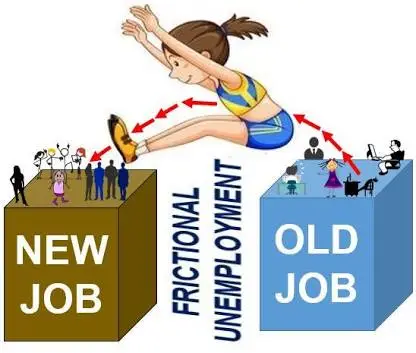
If you’ve ever wondered what is frictional unemployment, you’re not alone. This type of unemployment occurs naturally in a healthy economy as workers transition between jobs. Unlike other unemployment types, frictional unemployment is usually temporary and reflects the ongoing movement in the labor market. Understanding it helps both job seekers and employers navigate employment trends effectively.
Understanding Frictional Unemployment
Frictional unemployment refers to the short-term unemployment that arises when individuals are searching for new jobs or transitioning between roles. It is an inevitable part of a dynamic economy because people constantly change jobs to find better opportunities, switch industries, or relocate. Unlike structural unemployment, which results from long-term mismatches between skills and job requirements, frictional unemployment is generally brief and often voluntary.
Causes of Frictional Unemployment
Several factors contribute to frictional unemployment:
-
Job Search Time – Workers rarely find their ideal jobs immediately. The time spent reviewing openings, applying, and interviewing contributes to temporary unemployment.
-
Career Transitions – Moving between industries or upgrading skills can leave workers unemployed for a short period while they seek positions that match their qualifications.
-
Geographical Mobility – Relocating to a new city or region often requires a job search period, even if the worker is highly skilled and in demand.
-
Seasonal Changes – Some industries experience regular fluctuations, like retail or tourism, causing temporary unemployment as employees transition between seasonal jobs.
Examples of Frictional Unemployment
Real-life scenarios make the concept easier to grasp:
-
A recent university graduate spends a few months applying for entry-level positions in their field.
-
A marketing professional leaves a company seeking higher pay or a better cultural fit, staying unemployed briefly during the search.
-
A software developer relocates to a new city and requires time to secure a job that matches their skill set.
These examples illustrate that frictional unemployment is a natural, short-term phase in the labor market.
Impacts on the Economy
While frictional unemployment might sound negative, it is often a sign of a healthy economy. Some of its effects include:
-
Encouraging Labor Market Efficiency – Workers have the time to find jobs that suit their skills, improving overall productivity.
-
Economic Flexibility – Temporary unemployment allows for smoother transitions when industries evolve or new sectors emerge.
-
Short-Term Costs – Individuals may experience temporary income loss, and companies might face brief skill gaps.
Understanding what is frictional unemployment helps policymakers design initiatives such as career services, job-matching platforms, and training programs to reduce the duration of unemployment without affecting labor market flexibility.
How to Minimise Frictional Unemployment
Although frictional unemployment is unavoidable, several strategies can help reduce its impact:
-
Improved Job Matching Platforms – Online portals and recruitment agencies streamline the search process, connecting candidates with suitable roles faster.
-
Career Guidance and Training – Providing workers with upskilling opportunities ensures they can transition smoothly to available jobs.
-
Enhanced Communication – Employers posting clear job descriptions and timely responses help reduce the uncertainty during hiring.
-
Networking Opportunities – Encouraging professional networking can help job seekers find openings more efficiently.
By adopting these measures, both workers and employers can minimise the temporary gaps in employment while maintaining a dynamic labor market.
Conclusion
Frictional unemployment is a normal and often healthy part of any economy. It reflects the natural movement of workers as they seek better opportunities or adjust to life changes. While it may cause short-term challenges, understanding what is frictional unemployment and its effects on the labor market empowers job seekers, employers, and policymakers alike. By facilitating smoother transitions and improving job matching, economies can harness the benefits of a flexible workforce while minimising potential downsides.
Author

muhammadnomanseo.guestposting@gmail.com
Related Posts
How Much Did Icon of the Seas Cost to Build?
- 0
- 867 words
The launch of Icon of the Seas sparked global interest not only for its size and features but also for the staggering...